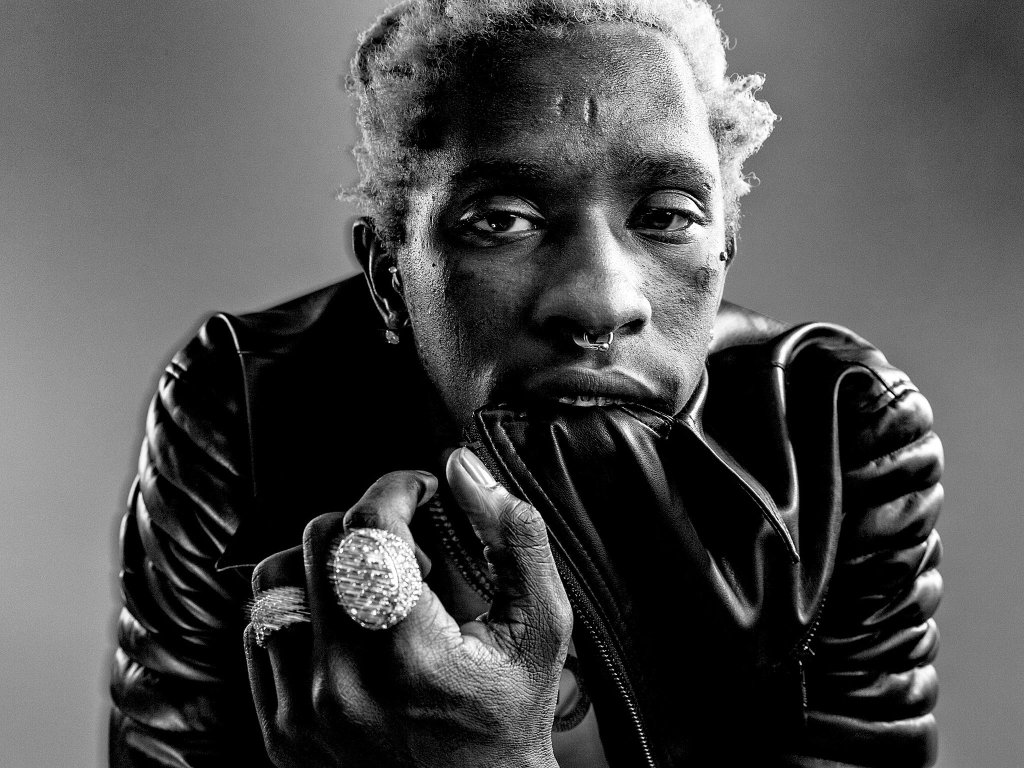
from Make Rappers Rap Again: Interrogating the Mumble Rap “Crisis”
Theorizing African American Music Series | Oxford University Press | August 2025
Click here to order! Use promotion code AUFLY30 to save 30%!
Check your preferred provider for eBooks!
“No one’s from the Old School, ‘cause Rap on a whole isn’t even 20 years old. Fifty years down the line, you can start this, ‘cause we’ll be the Old School artists.”
—KRS-One, “I’m Still #1” (1988)
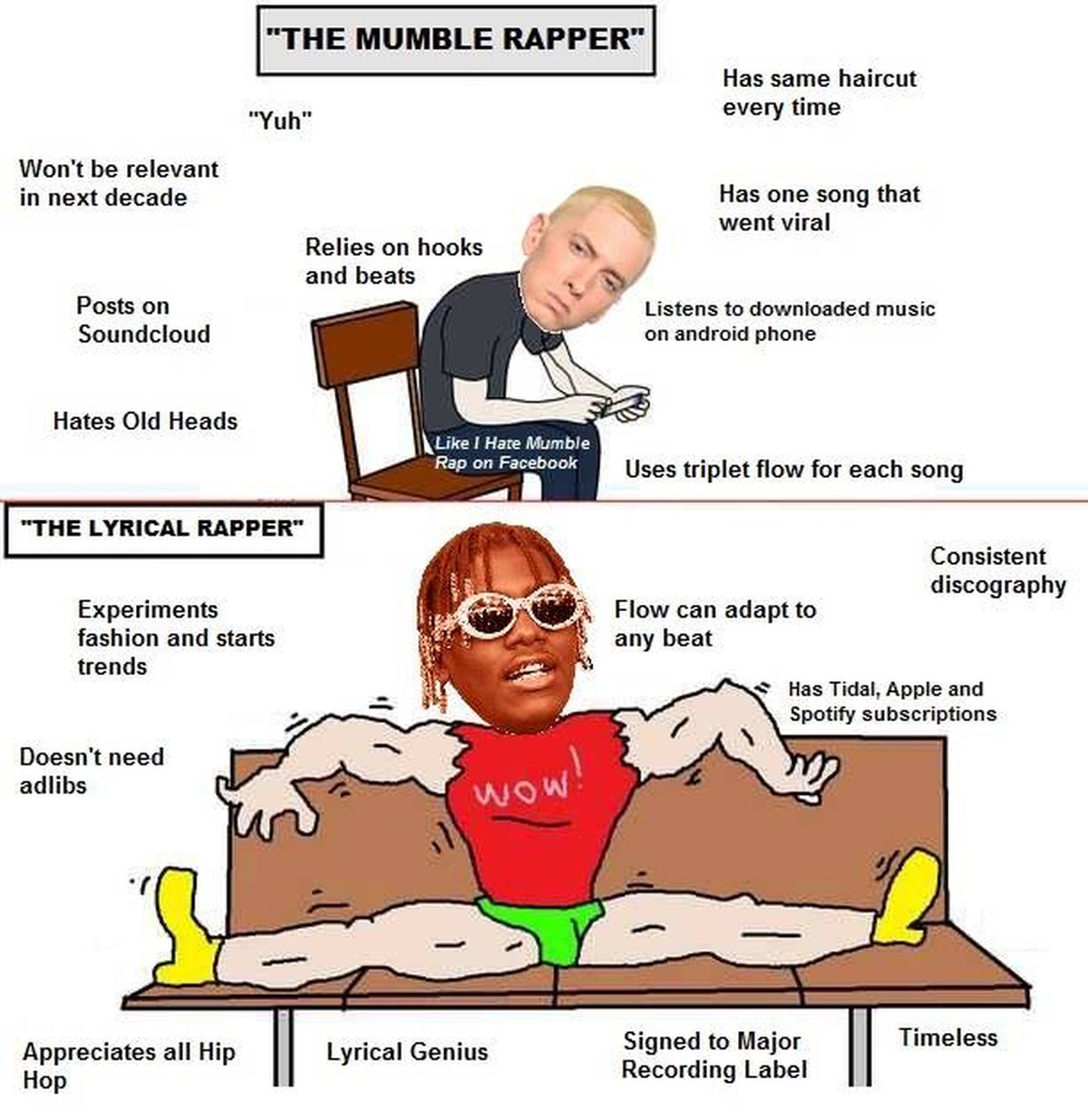
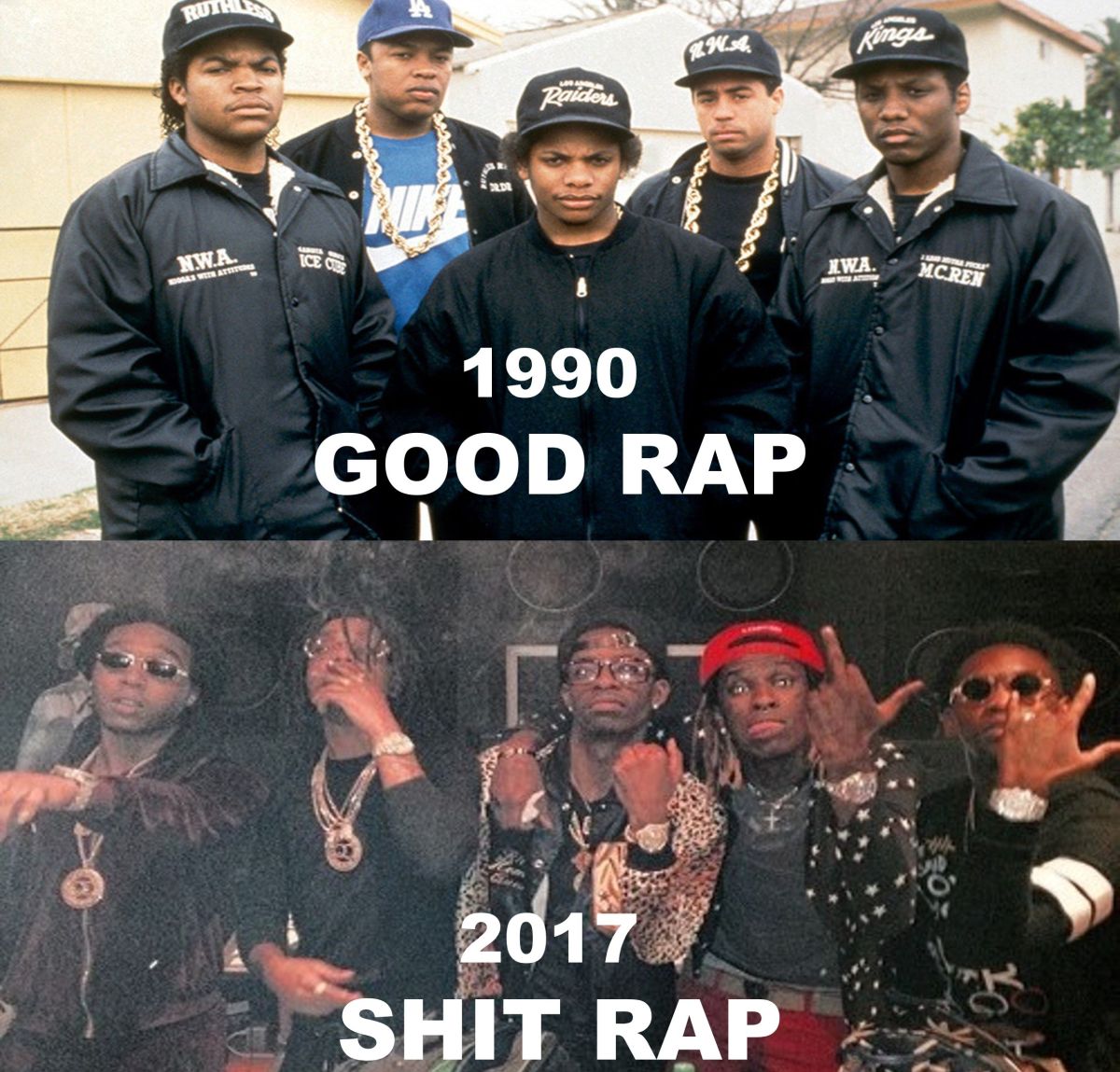
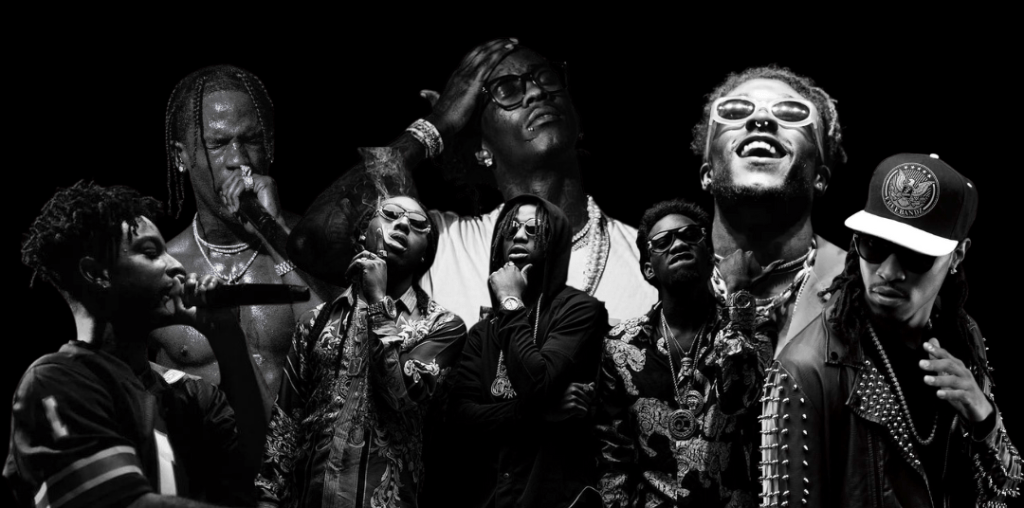
Many critics lament mumble rappers’ supposed ignorance about Hip Hop history and disrespect toward old heads (Hip Hop elders). In the first chapter of Make Rappers Rap Again: Interrogating the Mumble Rap “Crisis,“ situate these critiques as implications of ossified continuity and authentication theories and politics, as well as romantic adulation and dishonest nostalgia. Because Hip Hop is often situated as a direct descendant of Black oral and artistic traditions like call and response and Funk, I claim mumble rappers’ supposed ignorance and disrespect along the aforementioned lines are more easily understood as an affront to a long lineage of Black creativity. I further claim this perception of insult is magnified within real Hip Hop frameworks that center the six Hip Hop elements, especially knowledge. Because rappers must “appropriately” know and care about Hip Hop history to be authenticated as real Hip Hop, Mumble Rap cannot be real Hip Hop if mumble rappers fail to know and appropriately acknowledge the influence of revered rappers like Biggie and Tupac. However, I situate these critiques as smokescreens for concerns about mumble rappers being aesthetically deviant. To substantiate that point, I examine myriad forms of aesthetic strangeness that existed in Hip Hop long before Mumble Rap. I also demonstrate the ways most mumble rappers practice citational and collaborative politics congruent with real Hip Hop norms for engaging with old heads.
The Songs
The Videos
The Images








 Dr. Heidi R. Lewis